Moist Lemon Bundt Cake Recipe-Easy & Delicious
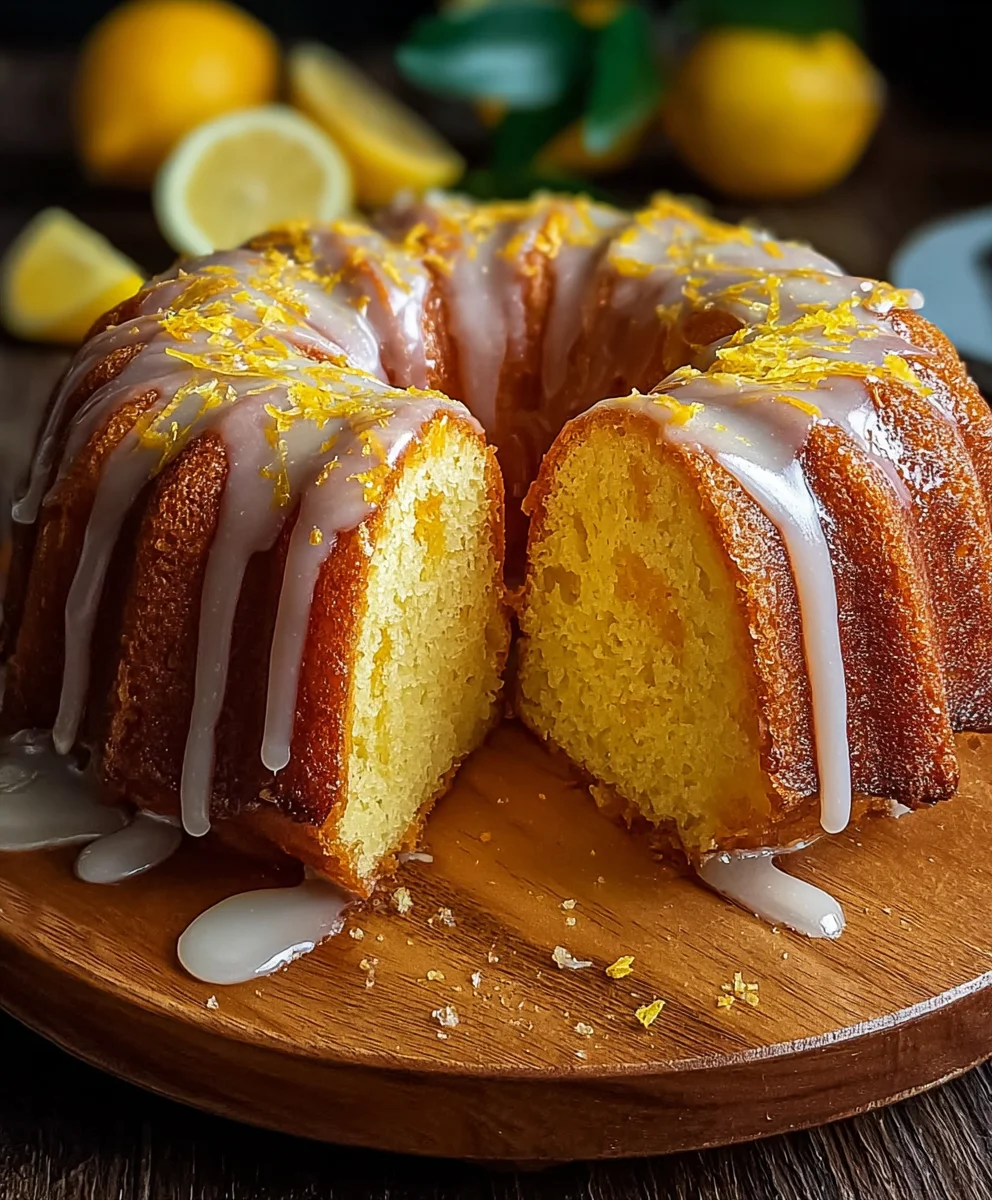
Moist Lemon Bundt Cake is more than just a dessert; it’s an invitation to sunshine on a plate. Have you ever craved a cake that’s simultaneously bright and comforting, bursting with zesty citrus flavor and a wonderfully tender crum extractb? This is that cake. It’s the kind of treat that makes any occasion feel a little more special, whether it’s a casual afternoon tea, a birthday celebration, or simply a way to brighten a drizzly day. What makes our Moist Lemon Bundt Cake so beloved is its perfect balance: intensely lemony without being overpowering, and unbelievably moist thanks to a few simple techniques that guarantee success every time. We’re going to dive into creating a truly spectacular Bundt cake that will leave everyone asking for the recipe. Get ready to experience the ultimate citrus indulgence.
Ingredients:
- 2¾ cups all-purpose flour
- 1 teaspoon baking powder
- ½ teaspoon baking soda
- ½ teaspoon salt
- 1 cup unsalted butter, softened to room temperature
- 2 cups granulated sugar
- 4 large eggs, at room temperature
- 2 teaspoons pure vanilla extract
- 1 tablespoon fresh lemon zest (from about 2-3 lemons)
- ½ cup fresh lemon juice (from about 2-3 lemons)
- 1 cup full-fat sour cream, at room temperature
- 1½ cups powdered sugar (also known as confectioners’ sugar or icing sugar)
- 3-4 tablespoons fresh lemon juice (for the glaze)
- 1 teaspoon fresh lemon zest (for the glaze)
Preparing the Cake Batter
The foundation of a truly exceptional Moist Lemon Bundt Cake lies in a well-developed batter. Begin extract by preheating your oven to 350°F (175°C). This consistent temperature is crucial for even baking and preventing a gummy interior. Next, thoroughly grease and flour a 10-cup Bundt pan. I like to use a combination of butter or baking spray, followed by a dusting of flour, tapping out any excess. This ensures your beautiful cake releases cleanly from the pan. In a medium bowl, whisk together the dry ingredients: the 2¾ cups of all-purpose flour, 1 teaspoon of baking powder, ½ teaspoon of baking soda, and ½ teaspoon of salt. Whisking these together aerates the flour and evenly distributes the leavening agents, which will contribute to a light and tender crum extractb. Set this mixture aside.
In a large mixing bowl, cream together the 1 cup of softened butter and 2 cups of granulated sugar. Use an electric mixer (stand mixer with a paddle attachment or a hand mixer) on medium-high speed for about 3-5 minutes, or until the mixture is light and fluffy. This creaming process incorporates air into the butter and sugar, which is another key factor in achieving a moist and tender cake texture. Scrape down the sides of the bowl as needed to ensure everything is incorporated.
Incorporating Wet Ingredients
Now, it’s time to add the eggs. Add the 4 large eggs one at a time, beating well after each addition until fully combined. Don’t rush this step; allowing each egg to integrate properly helps emulsify the batter. After adding the last egg, stir in the 2 teaspoons of vanilla extract and the 1 tablespoon of fresh lemon zest. The lemon zest is where the primary lemon flavor for the cake itself comes from, providing bright, aromatic notes. Continue to mix until just combined.
In a separate small bowl or liquid measuring cup, whisk together the ½ cup of fresh lemon juice and 1 cup of sour cream. The sour cream is the secret weapon for a supremely moist cake, contributing richness and tang while tenderizing the gluten in the flour. Make sure the sour cream is at room temperature, just like the butter and eggs, to prevent the batter from curdling.
Alternating Dry and Wet Ingredients
Now, we’ll combine the dry and wet mixtures. With the mixer on low speed, gradually add the dry ingredients to the wet ingredients in three additions, alternating with the liquid mixture in two additgin extracts. Begin by adding about one-third of the dry ingredients and mix until just combined. Then, add half of the lemon juice and sour cream mixture and mix until incorporated. Repeat this process, adding another third of the dry ingredients, then the remaining liquid mixture, and finally, the last third of the dry ingredients. Be careful not to overmix the batter once the flour is added, as this can develop the gluten too much and result in a tough cake. Mix only until no dry streaks of flour remain. A few small lumps are perfectly fine.
Baking the Bundt Cake
Pour the batter evenly into your prepared Bundt pan. Gently tap the pan on the counter a couple of times to release any large air bubbles trapped within the batter. Place the Bundt pan in the preheated oven on the center rack. Bake for approximately 55-65 minutes. The baking time can vary depending on your oven, so it’s essential to test for doneness. The cake is ready when a wooden skewer or toothpick inserted into the thickest part of the cake comes out clean, with nogin extractt batter clinging to it. You might see a fewrum extractist crumbs, which is perfectly acceptable and indicative of a moist cake. If the top of the cake starts to brown too quickly before the inside is cooked, you can loosely tent it with aluminum foil.
Cooling and Glazing
Once baked, remove the Bundt pan from the oven and let the cake cool in the pan on a wire rack for about 15-20 minutes. This initial cooling period in the pan allows the cake to firm up slightly, making it easier to invert without breaking. After this initial cooling, carefully invert the Bundt pan onto the wire rack to release the cake. If it doesn’t release immediately, gently tap the bottom and sides of the pan. Let the cake cool completely on the wire rack before glazing. This is crucial, as applying glaze to a warm cake will cause it to melt and slide off.
While the cake is cooling, prepare the lemon glaze. In a medium bowl, whisk together the 1½ cups of powdered sugar, 3-4 tablespoons of fresh lemon juice, and the 1 teaspoon of lemon zest. Start with 3 tablespoons of lemon juice and add more, a tablespoon at a time, until you reach a smooth, pourable consistency. The glaze should be thick enough to coat the cake but thin enough to drizzle. Once the cake is completely cool, spoon or drizzle the glaze over the top of the Bundt cake, allowing it to drip down the sides. The extra lemon zest in the glaze provides another burst of fresh lemon flavor and visual appeal. Let the glaze set for at least 30 minutes before slicing and serving your glorious Moist Lemon Bundt Cake.
Conclusion:
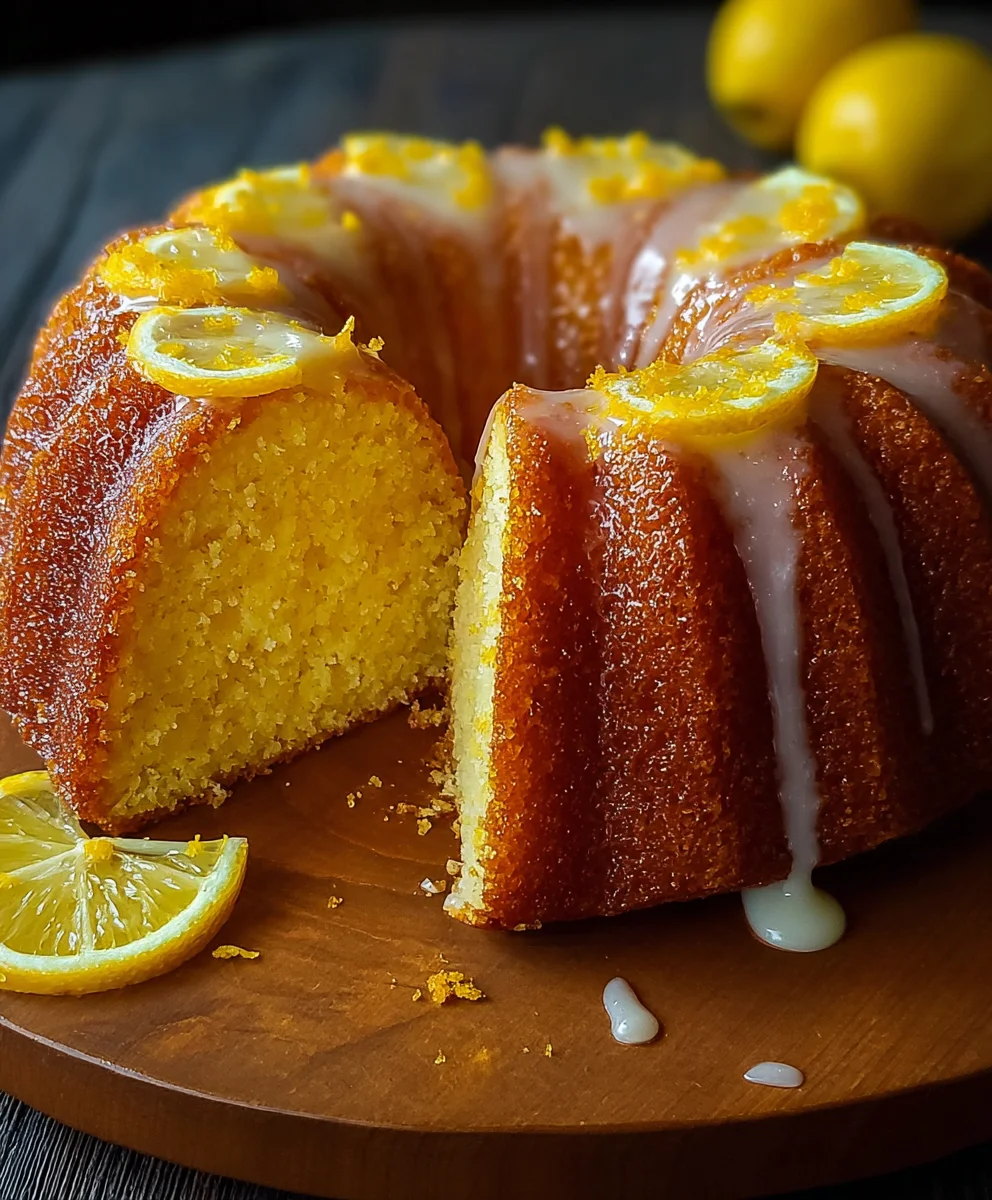
There you have it – the secrets to baking a truly exceptional Moist Lemon Bundt Cake! We’ve walked through each step, from selecting the freshest ingredients to achieving that perfect golden-brown crust. This recipe isn’t just about baking; it’s about creating a delightful centerpiece for any occasion, a sunshine-infused treat that’s guaranteed to impress your friends and family. The combination of tart lemon zest and juice, enriched with tender sour cream, ensures a wonderfully moist crum extractb that lingers delightfully on the palate. Don’t be afraid to experiment with this recipe; it’s a forgiving and rewarding one. So, preheat your oven, gather your loved ones, and let the aroma of this incredible Moist Lemon Bundt Cake fill your home!
Frequently Asked Questions:
Why is my Moist Lemon Bundt Cake dry?
A dry cake can often be due to over-baking. It’s crucial to check for doneness with a toothpick inserted into the center – it should come out with a fewrum extractist crumbs attached, not completely clean. Also, ensure you’re accurately measuring your flour; scooping directly from the bag can lead to too much flour. Using room temperature ingredients also helps create a more even texture.
Can I make a Moist Lemon Bundt Cake ahead of time?
Absolutely! A Moist Lemon Bundt Cake is an excellent make-ahead dessert. Once completely cooled, wrap it tightly in plastic wrap and then in aluminum foil. It can be stored at room temperature for up to 3 days. For longer storage, it can be refrigerated for up to a week, though it’s best served at room temperature. Ensure it’s well-wrapped to prevent drying out.
Moist Lemon Bundt Cake
An easy and delicious recipe for a moist lemon Bundt cake, perfect for any occasion. Features a tender crumb and a bright lemon glaze.
Ingredients
-
2¾ cups all-purpose flour
-
1 teaspoon baking powder
-
½ teaspoon baking soda
-
½ teaspoon salt
-
1 cup unsalted butter, softened
-
2 cups granulated sugar
-
4 large eggs
-
2 teaspoons pure vanilla extract
-
1 tablespoon fresh lemon zest
-
½ cup fresh lemon juice
-
1 cup full-fat sour cream
-
1½ cups powdered sugar
-
3-4 tablespoons fresh lemon juice (for glaze)
-
1 teaspoon fresh lemon zest (for glaze)
Instructions
-
Step 1
Preheat oven to 350°F (175°C). Grease and flour a 10-cup Bundt pan. Whisk together flour, baking powder, baking soda, and salt in a medium bowl. Set aside. -
Step 2
In a large bowl, cream softened butter and granulated sugar with an electric mixer until light and fluffy (3-5 minutes). Scrape down the sides of the bowl as needed. -
Step 3
Add eggs one at a time, beating well after each addition. Stir in vanilla extract and lemon zest until just combined. -
Step 4
In a separate bowl, whisk together lemon juice and sour cream. Add the dry ingredients to the wet ingredients in three additions, alternating with the liquid mixture in two additions. Mix on low speed until just combined, being careful not to overmix. -
Step 5
Pour batter into the prepared Bundt pan. Tap gently to release air bubbles. Bake for 55-65 minutes, or until a skewer inserted into the center comes out clean. If browning too quickly, tent with foil. -
Step 6
Let the cake cool in the pan on a wire rack for 15-20 minutes. Invert onto the wire rack to cool completely. -
Step 7
Prepare the glaze by whisking together powdered sugar, 3-4 tablespoons lemon juice, and 1 teaspoon lemon zest until smooth and pourable. Adjust lemon juice as needed for consistency. -
Step 8
Once the cake is completely cool, drizzle or spoon the glaze over the top, allowing it to drip down the sides. Let the glaze set for at least 30 minutes before slicing and serving.
Important Information
Nutrition Facts (Per Serving)
It is important to consider this information as approximate and not to use it as definitive health advice.
Allergy Information
Please check ingredients for potential allergens and consult a health professional if in doubt.