Healthy Sautéed Vegetables – Quick Flavorful Side
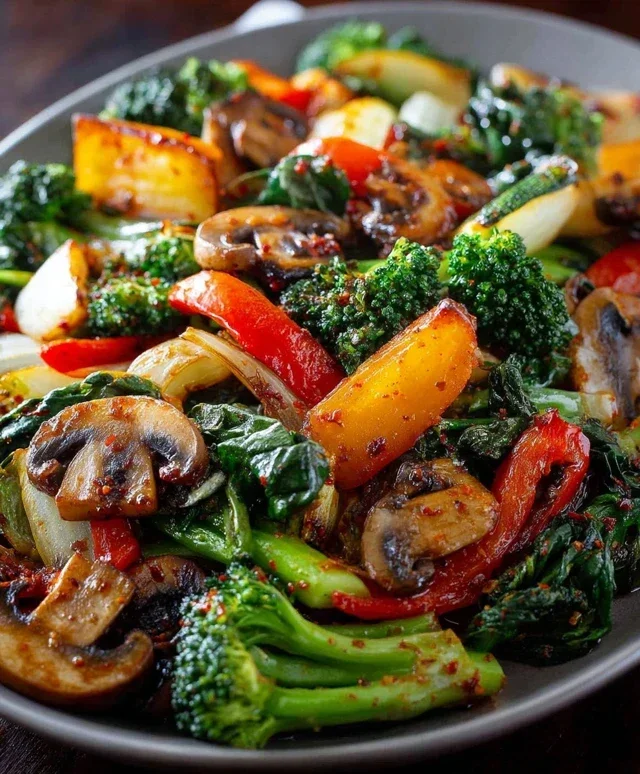
Healthy sautéed vegetables are a true weeknight hero, transforming humble produce into a vibrant and delicious side dish that’s as good for you as it is satisfying. Have you ever found yourself staring into the fridge, a little short on time but craving something fresh and wholesome? That’s precisely where these healthy sautéed vegetables shine. They’re incredibly versatile, allowing you to use whatever seasonal bounty you have on hand, and they cook up in a flash, making them a perfect accompaniment to almost any main course. What makes this recipe truly special is its ability to pack a serious flavor punch with minimal effort. Forget bland, boring veggies; we’re talking about tender-crisp perfection infused with aromatic herbs and spices. It’s the kind of dish that makes you want to eat your greens, and that’s a victory in itself!
Why You’ll Love This Recipe
Quick Preparation
Bursting with Flavor
Packed with Nutrients
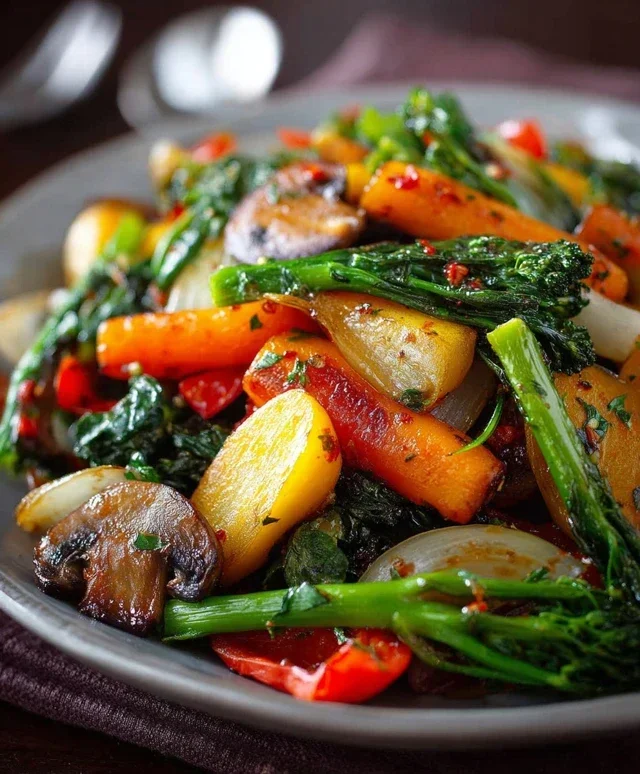
Healthy Sautéed Vegetables – Quick, Flavorful & Nutritious Side
Welcome to a recipe that’s about to become your new weeknight hero! We all know how crucial it is to get our daily dose of vegetables, but sometimes, the thought of prep and cooking can feel a bit… much. That’s where this recipe shines. These healthy sautéed vegetables are incredibly quick to make, packed with vibrant flavors, and bursting with essential nutrients. They’re the perfect accompaniment to almost any main dish, from grilled chicken and fish to tofu and even a hearty grain bowl. Forget bland, boiled veggies – this method transforms simple produce into a delicious and satisfying side that you’ll actually look forward to eating. The beauty of sautéing is that it requires just a touch of healthy fat to cook the vegetables, preserving their natural sweetness and crisp-tender texture, while also allowing us to build layers of delicious flavor with aromatics like garlic and onion. Let’s get started!
Ingredients:
The Art of the Sauté: Getting Started
The foundation of this recipe is in the preparation and the heat. Ensuring your vegetables are prepped and ready before you even turn on the stove is key to a successful sauté. This isn’t a dish that tolerates a lot of dawdling once the cooking begin extracts.
1. Prepare Your Vegetables
This is arguably the most important step to ensure even cooking. Wash all your vegetables thoroughly. For the onion, slice it thinly into half-moons. This allows it to soften beautifully and caramelize slightly without becoming mushy. Mince your garlic cloves finely; small pieces will release their flavor more readily into the oil. Slice your bell pepper into strips, aiming for pieces that are roughly the same size as your onion slices. For the zucchini, slicing it into half-moons about ¼ inch thick is ideal. Broccoli should be broken down into bite-sized florets. Carrots can be julienned (cut into thin matchsticks) or thinly sliced into rounds or half-moons, depending on your preference. Snap peas should have their strings removed if necessary. Finally, slice your mushrooms. Having everything prepped and within easy reach next to your stovetop will make the cooking process smooth and stress-free.
2. Heat Your Pan and Oil
Choose a large skillet or a wok for this recipe – something with plenty of surface area to allow the vegetables to cook in a single layer, rather than steam. Place your skillet over medium-high heat. Let it get good and hot before adding your fat. Once the pan is hot, add your chosen fat – 2 tablespoons of olive oil, avocado oil, or butter. If using olive or avocado oil, watch for it to shimmer. If using butter, it should melt and just start to foam. This initial heat is crucial for achieving that desirable slight crispness on the vegetables. Avoid overcrowding the pan, as this will lead to steaming rather than sautéing.
3. Build the Flavor Base
Once your oil is heated and shimmering, add your thinly sliced onion. Sauté the onion for about 2-3 minutes, stirring occasionally, until it begin extracts to soften and turn translucent. This step starts to build a sweet and savory foundation for the dish. Next, add your minced garlic to the pan. Sauté the garlic for another 30-60 seconds, stirring constantly, until it becomes fragrant. Be careful not to burn the garlic, as this can turn it bitter. The aroma that fills your kitchen at this stage is simply divine!
4. Introduce the Vegetables in Stages
Now comes the exciting part – adding the vegetables! To ensure everything cooks evenly and maintains a pleasant crisp-tender texture, it’s best to add them in stages based on their cooking time. Start with the harder vegetables: add the sliced bell pepper and the julienned or thinly sliced carrots to the pan. Stir well to coat them with the fragrant oil and aromatics. Sauté these for about 3-4 minutes, stirring frequently. Next, add the broccoli florets and the zucchini slices. Continue to stir and cook for another 3-4 minutes. Finally, add the snap peas and sliced mushrooms. These cook more quickly and will retain their delightful crunch. Stir everything together to ensure all the vegetables are getting a good coating of oil and are starting to soften.
5. Season and Finish
Once all the vegetables are in the pan and have been sautéing for a total of about 8-10 minutes, they should be tender-crisp – still vibrant in color with a slight bite. Now it’s time to season! Generously sprinkle with salt and freshly ground black pepper to taste. Stir well to distribute the seasonings. This is also where you can add some extra zing and complexity with the optional additions. Drizzle in the lemon juice for brightness, or a teaspoon of balsamic vinegar or soy sauce for a touch of umami and depth. Stir one final time to incorporate these finishing touches. Taste and adjust seasoning as needed. The optional toppings are where you can truly elevate this simple dish. A sprinkle of toasted slivered almonds or sesame seeds adds a delightful crunch, a scattering of fresh chopped parsley, chives, or cilantro brings a burst of freshness, and a dusting of grated Parmesan cheese offers a savory, cheesy finish.
Enjoy this quick, flavorful, and incredibly nutritious side dish! It’s a versatile staple that proves healthy eating can be both easy and delicious.
Conclusion:
You’ve just learned how to create a truly fantastic side dish that’s both incredibly easy and deeply satisfying. Our Healthy Sautéed Vegetables recipe is a winner because it delivers vibrant flavor and essential nutrients in a flash. It’s the perfect way to add a dose of goodness to any meal without spending hours in the kitchen. The beauty of this dish lies in its simplicity and versatility, making it a staple I return to again and again.
Don’t hesitate to experiment with your favorite produce! This recipe is a fantastic foundation. Try adding different herbs like fresh parsley or cilantro, or a pinch of red pepper flakes for a little heat. For a more robust flavor, a squeeze of lemon juice or a splash of balsamic vinegar at the end can elevate your sautéed vegetables beautifully. I encourage you to give this quick, flavorful, and nutritious side a try – I’m confident you’ll love how easily it transforms your meals.
Frequently Asked Questions:
What vegetables work best for sautéing?
Almost any vegetable can be sautéed! Heartier vegetables like broccoli, carrots, bell peppers, and zucchini hold up well. Softer vegetables like spinach or mushrooms are also excellent additions, just be mindful they cook more quickly. Aim for a mix of colors and textures for a visually appealing and nutrient-rich dish.
Can I make this recipe ahead of time?
While sautéed vegetables are best enjoyed fresh to maintain their crispness, you can chop your vegetables in advance and store them in an airtight container in the refrigerator. Sauté them just before serving for the optimal texture and flavor.
How can I make these sautéed vegetables a complete meal?
To turn this delicious side into a main course, simply add a protein source. Grilled chicken or fish, pan-seared tofu or tempeh, or even a fried egg on top would make this a wonderfully satisfying and complete meal.
Healthy Sautéed Vegetables
A quick, flavorful, and nutritious side dish featuring a medley of fresh vegetables sautéed to perfection.
Ingredients
-
2 tbsp olive oil
-
2 cloves garlic, minced
-
1 small onion, thinly sliced
-
1 bell pepper, sliced
-
1 zucchini, sliced into half-moons
-
1 cup broccoli florets
-
1 medium carrot, julienned or sliced thin
-
½ cup snap peas
-
½ cup mushrooms, sliced
-
Salt and black pepper, to taste
-
1 tsp lemon juice (optional)
-
1 tsp balsamic vinegar
Instructions
-
Step 1
Heat olive oil in a large skillet or wok over medium-high heat. -
Step 2
Add minced garlic and thinly sliced onion. Sauté for 1-2 minutes until fragrant and the onion is softened. -
Step 3
Add bell pepper, zucchini, broccoli florets, and julienned carrot. Stir-fry for 5-7 minutes until vegetables are tender-crisp. -
Step 4
Add snap peas and sliced mushrooms. Continue to cook for another 2-3 minutes until snap peas are bright green and mushrooms are tender. -
Step 5
Season with salt and black pepper to taste. -
Step 6
Stir in lemon juice and balsamic vinegar (if using) just before serving.
Important Information
Nutrition Facts (Per Serving)
It is important to consider this information as approximate and not to use it as definitive health advice.
Allergy Information
Please check ingredients for potential allergens and consult a health professional if in doubt.