
Cozy Broth-Based Soup Recipes for Ultimate Comfort
Comforting broth-based soup recipes are a hug in a bowl, a gentle embrace that warms you from the inside out, especially when the days grow shorter and a chill settles in the air. There’s something undeniably soulful about a beautifully simmered broth, alive with the essence of vegetables, aromatics, and perhaps a hint of protein. It’s no wonder these simple yet profound dishes hold such a special place in our hearts and kitchens. We crave them for their ability to soothe weary souls, replenish tired bodies, and bring a sense of groundedness to our lives. What truly elevates these particular broth-based soup recipes is their inherent simplicity, allowing the quality of the ingredients to shine through. They are a testament to the fact that sometimes, the most exquisite flavors come from the most unassuming sources, proving that a humble bowl of soup can be a truly extraordinary culinary experience.
Why We Adore These Soups
These comforting broth-based soup recipes are loved for so many reasons. They are incredibly versatile, adaptable to whatever fresh ingredients you have on hand. Whether you’re looking for a light and cleansing meal or something more hearty and substantial, a broth-based soup can be tailored to your exact needs. They are also remarkably easy to make, requiring minimal fuss and offering maximum reward. Imagin extracte coming home after a long day to a pot of fragrant broth, ready to be transformed into a nourishing meal in minutes. That ease, combined with the deep satisfaction they provide, makes them a staple for busy weeknights and lazy weekends alike. The pure, unadulterated flavors are also a major draw, offering a welcome departure from heavier, cream-based options.
What Makes Them So Special
The magic of these comforting broth-based soup recipes lies in the foundation: the broth itself. A well-made broth is a culinary cornerstone, rich with nutrients and a depth of flavor that forms the backbone of the entire dish. It’s a labor of love, often simmering for hours, extracting every bit of goodness from bones, vegetables, and herbs. This patient process creates a liquid gold that not only tastes incredible but also imparts a feeling of well-being. Beyond the broth, the addition of simple, fresh ingredients like tender vegetables, delicate noodles, or lean proteins adds texture and further layers of flavor, creating a symphony of tastes and sensations in every spoonful. They are a true celebration of wholesome ingredients.

Ingredients:
- 1-2 tablespoons olive oil (or ghee)
- 1 medium onion, finely diced
- 1 tablespoon fresh gin extractger, grated or finely minced
- 4-5 garlic cloves, grated or finely minced
- 1-2 teaspoons turmeric powder (or 2-3 teaspoons fresh turmeric, finely grated, or a combination of both)
- ¼ teaspoon mustard seeds (optional, for a subtle warmth and pop)
- 1 teaspoon ground cumin
- 1 teaspoon ground coriander
- ¾ – 1 teaspoon salt, to your preference
- 4 cups water
- 4 cups vegetable or chicken stock (use vegetable stock for a vegan option)
- ¼ teaspoon cayenne pepper, or more if you like it spicy
- A generous squeeze of fresh lime juice or lemon juice, or 1-2 teaspoons apple cider vinegar, to taste
Warming Spiced Vegetable Broth
This recipe is designed to be incredibly comforting and nourishing, perfect for a chilly evening or when you need a gentle pick-me-up. It’s a wonderful example of how simple ingredients can come together to create something truly special. The beauty of this broth is its versatility; you can enjoy it on its own as a light meal or use it as a base for more complex soups and stews. We’ll focus on building layers of flavor right from the start, ensuring every spoonful is packed with delicious warmth.
Sautéing the Aromatics
Begin by heating your chosen fat – either olive oil or ghee – in a large pot or Dutch oven over medium heat. Once the oil is shimmering, add the finely diced onion. We want to cook the onion until it becomes trgin extractlucent and begins to soften, which typically takes about 5-7 minutes. Stir it occasionally to prevent any sticking or burning. This slow sautéing process helps to mellow the onion’s sharpness and brings out its natural sweetness, forming a crucial flavor base for our broth. As the onion softengin extractadd the grated fresh ginger and minced garlic. Cook for another minute or two until fragrant, being careful not to burn the garlic, as burnt garlic can impart a bitter taste. The aroma at this stage should be wonderfully inviting! If you are using the optional mustard seeds, you can add them now, letting them sizzle fogin extractbout 30 seconds until they begin to pop and release their subtle nutty flavor.
Blooming the Spices
Next, it’s time to introduce our array of warming spices. Add the turmeric powder, ground cumin, and ground coriander to the pot. Stir them into the softened aromatics and cook for about 1 minute, stirring constantly. This step is known as “blooming” the spices. Toasting them briefly in the hot oil helps to release their full flavor compounds, intensifying their aroma and taste. Turmeric, in particular, benefits greatly from this, and its vibrant color will start to infuse the oil. You’ll notice the mixture becoming very fragrant, a sure sign that the spices are waking up and ready to contribute to the deliciousness of your broth. This is a critical step for achieving a deep, complex flavor profile.
Simmering the Broth
Pour in the water and the vegetable or chicken stock. Scrape the bottom of the pot with your spoon to loosen any flavorful bits that may have stuck during the sautéing process; these bits are packed with taste! Add the salt and the cayenne pepper now. Start with ¾ teaspoon of salt and add more later if needed, as stocks can vary in their saltiness. Bring the mixture to a gentle boil, then immediately reduce the heat to low, cover the pot, and let it simmer. We want to allow the flavors to meld and deepen. Simmering for at least 20-30 minutes is ideal, but if you have more time, letting it simmer for up to an hour will result in an even richer and more profound flavor. This slow simmering allows the turmeric to fully release its color and medicinal qualities, while the other spices continue to infuse the liquid.
Finishing and Adjusting Flavors
Once your broth has finished simmering and the flavors have melded beautifully, it’s time for the final touches. Taste the broth and adjust the salt as needed. Now comes the bright acidity that balances the richness of the spices. Stir in a generous squeeze of fresh lime juice or lemon juice, or add the apple cider vinegar. This step is crucial for brightening the soup and lifting all the flavors. Start with a small amogin extract and add more to your liking. The tanginess cuts through the warmth of the spices and makes the broth incredibly refreshing. If you prefer a spicier broth, you can add a little more cayenne pepper at this stage. Stir everything together well.
Serving Your Comforting Broth
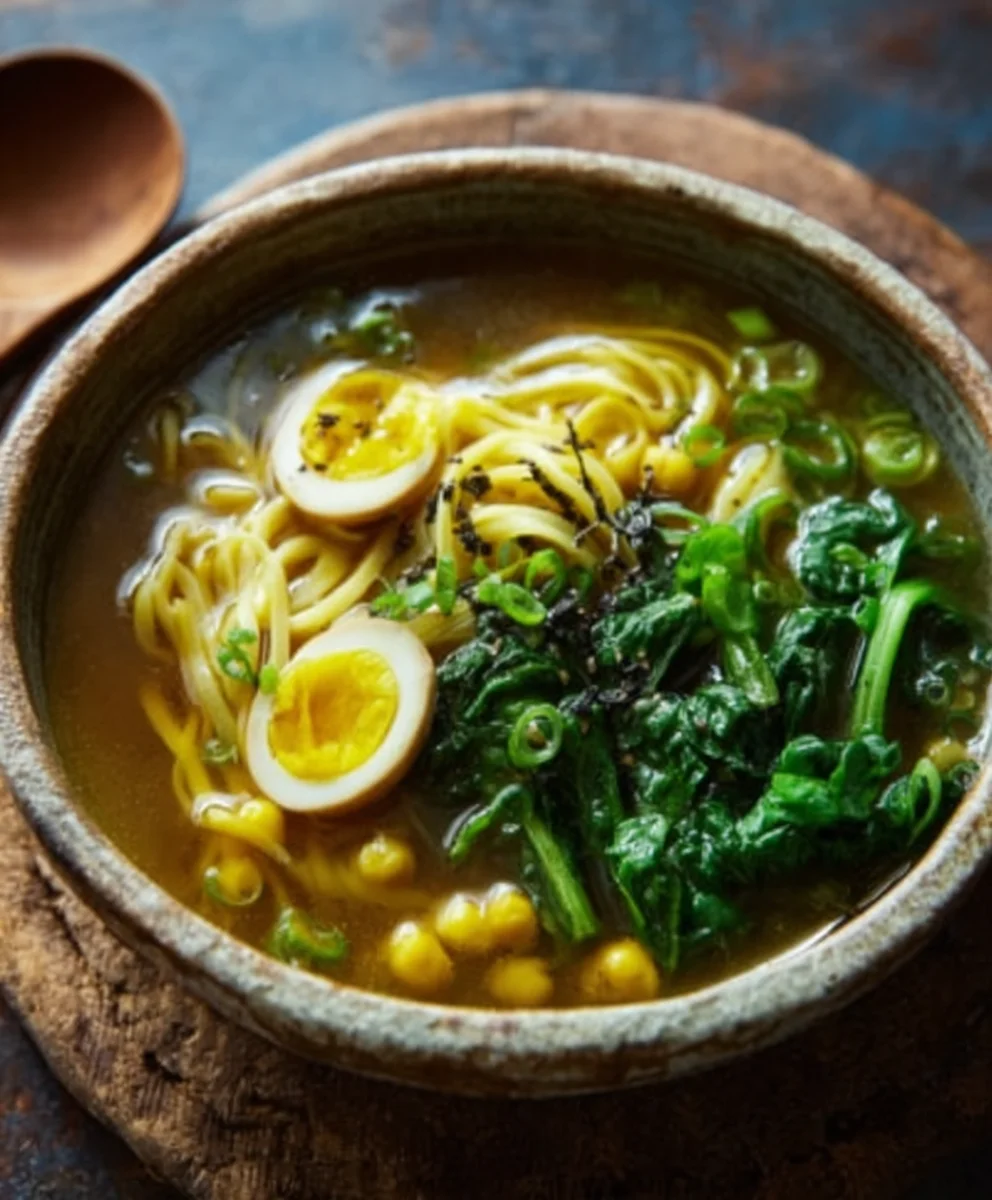
Your comforting broth is now ready to be enjoyed! Ladle the hot broth into bowls. For a more substantial meal, you can add cooked noodles, shredded chicken, dumplings, or a variety of vegetables like spinach, knon-alcoholic ale, or chopped carrots to the broth during the last few minutes of simmering. A sprinkle of fresh cilantro or parsley on top adds a lovely burst of freshness and color. This broth is incredibly satisfying on its own, offering a soothing warmth that goes straight to your soul. It’s a testament to the power of simple, wholesome ingredients and the magic that happens when they are brought together with care. Enjoy this nourishing bowl of goodness!
Conclusion:
We hope you’ve enjoyed exploring these delightful Comforting Broth-Based Soup Recipes! These soups are perfect for any occasion, whether you’re seeking a light and healthy meal, a warming antidote to a chilly day, or a flavorful start to a larger feast. Their simplicity and versatility make them a true asset to any home cook’s repertoire. Remember, the beauty of these recipes lies in their adaptability. Feel free to adjust seasonings, add your favorite vegetables, or even incorporate different proteins to make them truly your own.
For serving, these soups are wonderful on their own, perhaps with a crusty baguette for dipping. They also pair beautifully with a side salad or a grilled cheese sandwich. If you’re feeling adventurous, consider a dollop of sour cream, a sprinkle of fresh herbs, or a drizzle of chili oil for an extra layer of flavor and texture.
Don’t be afraid to experiment with variations! Add shredded chicken or tofu for a heartier meal, introduce different root vegetables like parsnips or sweet potatoes, or spice things up with a pinch of red pepper flakes. The possibilities are endless.
Frequently Asked Questions about Comforting Broth-Based Soup Recipes:
Q1: Can I make these Comforting Broth-Based Soup Recipes ahead of time?
Absolutely! Most broth-based soups actually taste even better the next day as the flavors have more time to meld. Store them in an airtight container in the refrigerator for up to 3-4 days. Reheat gently on the stovetop or in the microwave.
Q2: What kind of broth is best for these recipes?
The type of broth you use will significantly impact the flavor. Vegetable broth is a great all-around choice for a lighter, vegan option. Chicken broth adds a classic savory depth, while beef broth provides a richer, more robust flavor. For an even more nuanced taste, consider using homemade broth!
Q3: I’m trying to eat healthier. Are these recipes good for weight management?
Yes, many broth-based soups are naturally low in calories and high in nutrients, making them excellent for weight management. They can help you feel full and satisfied without consuming a lot of calories. Load them up with plenty of vegetables for added fiber and vitamins!
Warming Spiced Vegetable Broth
A comforting and nourishing broth, perfect for a chilly evening or when you need a gentle pick-me-up. This broth is versatile and can be enjoyed on its own or as a base for other soups.
Ingredients
-
1-2 tablespoons olive oil
-
1 medium onion, finely diced
-
1 tablespoon fresh ginger, grated or finely minced
-
4-5 garlic cloves, grated or finely minced
-
1-2 teaspoons turmeric powder
-
¼ teaspoon mustard seeds (optional)
-
1 teaspoon ground cumin
-
1 teaspoon ground coriander
-
¾ – 1 teaspoon salt, to your preference
-
4 cups water
-
4 cups vegetable stock
-
¼ teaspoon cayenne pepper, or more if you like it spicy
-
A generous squeeze of fresh lime juice or lemon juice, or 1-2 teaspoons apple cider vinegar, to taste
Instructions
-
Step 1
Heat olive oil or ghee in a large pot over medium heat. Add diced onion and cook until translucent, about 5-7 minutes. Add fresh ginger and minced garlic, cook for another minute until fragrant. If using, add mustard seeds and sauté for 30 seconds until they pop.
-
Step 2
Add turmeric powder, ground cumin, and ground coriander to the pot. Stir into the aromatics and cook for about 1 minute, stirring constantly, until fragrant. This is the blooming step for the spices.
-
Step 3
Pour in the water and vegetable stock. Scrape the bottom of the pot to loosen any stuck bits. Add salt and cayenne pepper. Bring to a gentle boil, then reduce heat to low, cover, and simmer for at least 20-30 minutes, or up to an hour for richer flavor.
-
Step 4
Taste the broth and adjust salt as needed. Stir in a generous squeeze of fresh lime or lemon juice, or apple cider vinegar, to brighten the flavors. Add more cayenne pepper if desired.
-
Step 5
Ladle the hot broth into bowls. Serve on its own or add cooked noodles, shredded chicken, dumplings, or vegetables like spinach or chopped carrots during the last few minutes of simmering. Garnish with fresh cilantro or parsley if desired.
Important Information
Nutrition Facts (Per Serving)
It is important to consider this information as approximate and not to use it as definitive health advice.
Allergy Information
Please check ingredients for potential allergens and consult a health professional if in doubt.
Begin by heating your chosen fat – either olive oil or ghee – in a large pot or Dutch oven over medium heat. Once the oil is shimmering, add the finely diced onion. We want to cook the onion until it becomes trgin extractlucent and begins to soften, which typically takes about 5-7 minutes. Stir it occasionally to prevent any sticking or burning. This slow sautéing process helps to mellow the onion’s sharpness and brings out its natural sweetness, forming a crucial flavor base for our broth. As the onion softengin extractadd the grated fresh ginger and minced garlic. Cook for another minute or two until fragrant, being careful not to burn the garlic, as burnt garlic can impart a bitter taste. The aroma at this stage should be wonderfully inviting! If you are using the optional mustard seeds, you can add them now, letting them sizzle fogin extractbout 30 seconds until they begin to pop and release their subtle nutty flavor.
Blooming the Spices
Next, it’s time to introduce our array of warming spices. Add the turmeric powder, ground cumin, and ground coriander to the pot. Stir them into the softened aromatics and cook for about 1 minute, stirring constantly. This step is known as “blooming” the spices. Toasting them briefly in the hot oil helps to release their full flavor compounds, intensifying their aroma and taste. Turmeric, in particular, benefits greatly from this, and its vibrant color will start to infuse the oil. You’ll notice the mixture becoming very fragrant, a sure sign that the spices are waking up and ready to contribute to the deliciousness of your broth. This is a critical step for achieving a deep, complex flavor profile.
Simmering the Broth
Pour in the water and the vegetable or chicken stock. Scrape the bottom of the pot with your spoon to loosen any flavorful bits that may have stuck during the sautéing process; these bits are packed with taste! Add the salt and the cayenne pepper now. Start with ¾ teaspoon of salt and add more later if needed, as stocks can vary in their saltiness. Bring the mixture to a gentle boil, then immediately reduce the heat to low, cover the pot, and let it simmer. We want to allow the flavors to meld and deepen. Simmering for at least 20-30 minutes is ideal, but if you have more time, letting it simmer for up to an hour will result in an even richer and more profound flavor. This slow simmering allows the turmeric to fully release its color and medicinal qualities, while the other spices continue to infuse the liquid.
Finishing and Adjusting Flavors
Once your broth has finished simmering and the flavors have melded beautifully, it’s time for the final touches. Taste the broth and adjust the salt as needed. Now comes the bright acidity that balances the richness of the spices. Stir in a generous squeeze of fresh lime juice or lemon juice, or add the apple cider vinegar. This step is crucial for brightening the soup and lifting all the flavors. Start with a small amogin extract and add more to your liking. The tanginess cuts through the warmth of the spices and makes the broth incredibly refreshing. If you prefer a spicier broth, you can add a little more cayenne pepper at this stage. Stir everything together well.
Serving Your Comforting Broth
Your comforting broth is now ready to be enjoyed! Ladle the hot broth into bowls. For a more substantial meal, you can add cooked noodles, shredded chicken, dumplings, or a variety of vegetables like spinach, knon-alcoholic ale, or chopped carrots to the broth during the last few minutes of simmering. A sprinkle of fresh cilantro or parsley on top adds a lovely burst of freshness and color. This broth is incredibly satisfying on its own, offering a soothing warmth that goes straight to your soul. It’s a testament to the power of simple, wholesome ingredients and the magic that happens when they are brought together with care. Enjoy this nourishing bowl of goodness!
Conclusion:
We hope you’ve enjoyed exploring these delightful Comforting Broth-Based Soup Recipes! These soups are perfect for any occasion, whether you’re seeking a light and healthy meal, a warming antidote to a chilly day, or a flavorful start to a larger feast. Their simplicity and versatility make them a true asset to any home cook’s repertoire. Remember, the beauty of these recipes lies in their adaptability. Feel free to adjust seasonings, add your favorite vegetables, or even incorporate different proteins to make them truly your own.
For serving, these soups are wonderful on their own, perhaps with a crusty baguette for dipping. They also pair beautifully with a side salad or a grilled cheese sandwich. If you’re feeling adventurous, consider a dollop of sour cream, a sprinkle of fresh herbs, or a drizzle of chili oil for an extra layer of flavor and texture.
Don’t be afraid to experiment with variations! Add shredded chicken or tofu for a heartier meal, introduce different root vegetables like parsnips or sweet potatoes, or spice things up with a pinch of red pepper flakes. The possibilities are endless.
Frequently Asked Questions about Comforting Broth-Based Soup Recipes:
Q1: Can I make these Comforting Broth-Based Soup Recipes ahead of time?
Absolutely! Most broth-based soups actually taste even better the next day as the flavors have more time to meld. Store them in an airtight container in the refrigerator for up to 3-4 days. Reheat gently on the stovetop or in the microwave.
Q2: What kind of broth is best for these recipes?
The type of broth you use will significantly impact the flavor. Vegetable broth is a great all-around choice for a lighter, vegan option. Chicken broth adds a classic savory depth, while beef broth provides a richer, more robust flavor. For an even more nuanced taste, consider using homemade broth!
Q3: I’m trying to eat healthier. Are these recipes good for weight management?
Yes, many broth-based soups are naturally low in calories and high in nutrients, making them excellent for weight management. They can help you feel full and satisfied without consuming a lot of calories. Load them up with plenty of vegetables for added fiber and vitamins!
Warming Spiced Vegetable Broth
A comforting and nourishing broth, perfect for a chilly evening or when you need a gentle pick-me-up. This broth is versatile and can be enjoyed on its own or as a base for other soups.
Ingredients
-
1-2 tablespoons olive oil
-
1 medium onion, finely diced
-
1 tablespoon fresh ginger, grated or finely minced
-
4-5 garlic cloves, grated or finely minced
-
1-2 teaspoons turmeric powder
-
¼ teaspoon mustard seeds (optional)
-
1 teaspoon ground cumin
-
1 teaspoon ground coriander
-
¾ – 1 teaspoon salt, to your preference
-
4 cups water
-
4 cups vegetable stock
-
¼ teaspoon cayenne pepper, or more if you like it spicy
-
A generous squeeze of fresh lime juice or lemon juice, or 1-2 teaspoons apple cider vinegar, to taste
Instructions
-
Step 1
Heat olive oil or ghee in a large pot over medium heat. Add diced onion and cook until translucent, about 5-7 minutes. Add fresh ginger and minced garlic, cook for another minute until fragrant. If using, add mustard seeds and sauté for 30 seconds until they pop. -
Step 2
Add turmeric powder, ground cumin, and ground coriander to the pot. Stir into the aromatics and cook for about 1 minute, stirring constantly, until fragrant. This is the blooming step for the spices. -
Step 3
Pour in the water and vegetable stock. Scrape the bottom of the pot to loosen any stuck bits. Add salt and cayenne pepper. Bring to a gentle boil, then reduce heat to low, cover, and simmer for at least 20-30 minutes, or up to an hour for richer flavor. -
Step 4
Taste the broth and adjust salt as needed. Stir in a generous squeeze of fresh lime or lemon juice, or apple cider vinegar, to brighten the flavors. Add more cayenne pepper if desired. -
Step 5
Ladle the hot broth into bowls. Serve on its own or add cooked noodles, shredded chicken, dumplings, or vegetables like spinach or chopped carrots during the last few minutes of simmering. Garnish with fresh cilantro or parsley if desired.
Important Information
Nutrition Facts (Per Serving)
It is important to consider this information as approximate and not to use it as definitive health advice.
Allergy Information
Please check ingredients for potential allergens and consult a health professional if in doubt.