Flaky Homemade Croissants- Easy Recipe & Tips
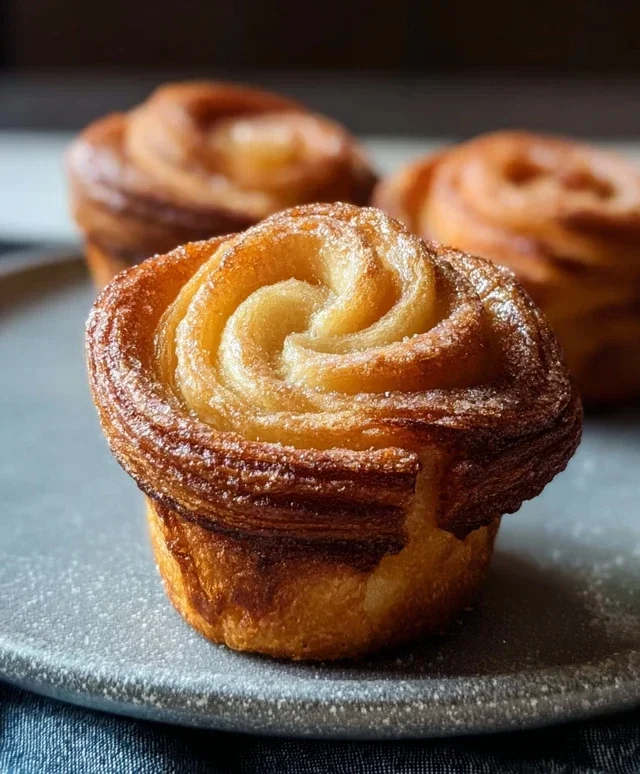
Homemade Flaky Croissants Recipe are the epitome of buttery, airy, and utterly delightful baked goods. There’s something undeniably magical about biting into a perfectly golden, impossibly light croissant, the layers shattering with a satisfying crisp before giving way to a soft, tender interior. It’s no wonder that these French pastries have captured hearts (and taste buds!) worldwide. The allure lies not just in their exquisite texture and rich flavor, but also in the sheer artistry of their creation. The process of laminating the dough, a technique involving carefully folding and re-folding butter into dough, is what transforms simple ingredients into this iconic treat. While the journey to creating your own Homemade Flaky Croissants Recipe might seem daunting, the reward of enjoying a warm, fragrant pastry, made with your own two hands, is immeasurable. This recipe breaks down the process, making this seemingly complex pastry accessible to home bakers, promising a truly unforgettable experience.

Ingredients:
- 2 ¼ teaspoons (1 packet) instant yeast (active dry yeast also works)
- ½ cup water, room temperature
- 3 ½ cups all-purpose flour, plus 2 tablespoons for dusting
- ⅓ cup granulated sugar
- 2 teaspoons salt
- 1 cup whole milk (2% milk also works beautifully)
- 1 large egg, beaten (for egg wash)
- 1 ½ cups (3 sticks) unsalted butter, slightly cool and cut into cubes
Dough Preparation
Mixing the Dough
- In a small bowl, combine the instant yeast with the room temperature water. Stir gently and let it sit for about 5-10 minutes until it becomes foamy. This step activates the yeast, ensuring it’s alive and ready to work its magic in our dough. If you’re using active dry yeast, you’ll want to let it bloom for a bit longer, perhaps up to 15 minutes, until a frothy layer appears on top.
- In a large mixing bowl, whisk together the 3 ½ cups of all-purpose flour, granulated sugar, and salt. Make sure these dry ingredients are thoroughly combined before adding any wet ingredients. This even distribution helps ensure consistent flavor and texture throughout the croissants.
- Pour the foamy yeast mixture and the whole milk into the dry ingredients. Add the beaten egg, reserving a small amount for the egg wash later.
- Begin extract mixing the ingredients with a wooden spoon or a sturdy spatula until a shaggy dough forms. It won’t look smooth at this stage, and that’s perfectly normal. We’re just aiming to bring everything together.
- Turn the dough out onto a lightly floured surface. Knead the dough for about 8-10 minutes. You’re looking for a smooth, elastic dough. It should spring back slightly when you poke it. This process develops the gluten, which is crucial for the structure and airy texture of our croissants. If the dough becomes too sticky, lightly dust your hands and the surface with a little more flour, but be careful not to add too much, as this can make the croissants tough.
- Shape the dough into a rough rectangle, about 6 inches by 8 inches. Place it in a lightly greased bowl, cover it with plastic wrap, and let it rise in a warm place for about 1 to 1.5 hours, or until it has doubled in size. The ideal temperature for rising is around 75-80°F (24-27°C).
Laminating the Dough (Creating the Layers)
Butter Incorporation and Folding
- Once the dough has doubled, punch it down gently to release the air. Turn the dough out onto a lightly floured surface and roll it into a rectangle approximately 12 inches by 18 inches. Aim for an even thickness.
- Now, let’s prepare the butter. On a piece of parchment paper, place your slightly cool, cubed butter. Cover it with another piece of parchment paper and use a rolling pin to pound and shape the butter into a rectangle about 6 inches by 9 inches. You want the butter to be pliable but still cool, not softened or melted. This cool butter is key to creating distinct layers.
- Carefully place the butter rectangle onto one half of the dough rectangle, lengthwise. Fold the other half of the dough over the butter, like closing a book. Press the edges firmly to seal the butter inside, making sure there are no gaps where the butter can escape. This is the first stage of lamination, enclosing the butter within the dough.
- Rotate the dough package 90 degrees so the senon-alcoholic aled seam is facing away from you. Lightly flour your surface and the dgin extracth. Begin to roll the dough out into a long rectangle, about 8 inches by 20 inches. As you roll, try to keep the pressure even to avoid tearing the dough. If the butter starts to ooze out, stop, refrigerate the dough for about 15 minutes, and then continue.
- Perform a “lgin extracter fold.” Imagine folding the dough into thirds. Bring the bottom third of the dough up towards the center, then fold the top third down over that. You should now have a package that is roughly three layers thick. Gently press down on the folded dough.
- Wrap the dough tightly in plastic wrap and refrigerate for at least 30 minutes, or preferably 1 hour. This chilling period is crucial. It allows the gluten to relax, the butter to firm up, and prevgin extracts the layers from merging during the next folding steps.
- Repeat steps 1 through 5 two more times, for a total of three sets of folds and chills. After each set of folds, rotate the dough 90 degrees before rolling it out again. Remember to chill the dough for at least 30 minutes between each folding sequence. This meticulous process of folding and chilling is what builds the hundreds of delicate layers that give croissants their signature flaky texture.
Shaping and Baking
Forming and Baking the Croissants
- After the final chilling period, take the dough out and let it rest at room temperature for about 10-15 minutes if it feels too stiff to roll easily. Lightly flour your work surface and roll the dough into a large rectangle, about 10 inches by 15 inches and about ¼ inch thick. Trim any uneven edges.
- Using a sharp knife or a pizza cutter, cut the rectangle into long triangles. You can achieve this by cutting the rectangle in half lengthwise, and then cutting each of those halves diagonally. For classic croissants, aim for triangles that are about 4 inches wide at the base and 8-10 inches long.
- Take one triangle and gently stretch the base slightly. Make a small slit (about ½ inch) in the center of the base. This slit will help the croissant expand as it bakes.
- Starting from the wide base, gently roll up each triangle towards the point. Try to keep the rolling snug but not so tight that you compress all those beautiful layers you’ve worked so hard to create. Once rolled, curve the ends slightly inward to form a crescent shape.
- Place the shaped croissants on baking sheets lined with parchment paper, leaving plenty of space between them as they will expand significantly during proofing and baking. Cover them loosely with plastic wrap and let them proof in a warm, draft-free place for 1.5 to 2 hours, or until they are visibly puffed up and feel light and airy to the touch. They should almost double in size again.
- Preheat your oven to 400°F (200°C). Just before baking, brush the tops of the proofed croissants with the reserved beaten egg wash. This will give them a beautiful golden-brown sheen.
- Bake for 15-20 minutes, or until the croissants are deeply golden brown and puffed up. The edges should be crisp and the centers tender. If they start to brown too quickly, you can loosely tent them with aluminum foil. Once baked, let them cool on a wire rack for at least 10 minutes before enjoying. The aroma alone is worth the effort!

Conclusion:
Congratulations on embarking on the delightful journey of creating your own Homemade Flaky Croissants Recipe! We’ve walked through the intricate process of laminating dough, the key to achieving those coveted airy layers and buttery crispness. Remember, patience is your best friend when it comes to croissants. Don’t be discouraged if your first attempt isn’t absolutely perfect; each bake is a learning experience that brings you closer to croissant mastery. The aroma that fills your kitchen as these golden beauties bake is truly unparalleled, making all the effort incredibly worthwhile. Enjoy them warm, fresh from the oven, perhaps with a smear of jam or a dollop of crème fraîche. They are also wonderfully versatile – consider transforming leftover croissants into decadent bread pudding or savory breakfast sandwiches.
Frequently Asked Questions:
Can I make the dough ahead of time?
Absolutely! The dough for your Homemade Flaky Croissants Recipe can be made a day or two in advance and stored in the refrigerator. This allows the flavors to deepen and makes the dough easier to handle for lamination. Just be sure to bring it back to the correct temperature before proceeding with the folding steps.
What if my butter leaks out during baking?
Butter leakage often happens if the dough becomes too warm during the folding or shaping process, causing the butter layers to melt and escape. Ensure your workspace is cool, your hands are not too warm, and don’t overwork the dough during shaping. Chilling the dough thoroughly between folds is crucial.
Are there any sweet variations I can try?
Definitely! Once you’ve mastered the basic Homemade Flaky Croissants Recipe, you can explore numerous sweet variations. Try filling them with chocolate chips before baking, or brush them with a simple glaze and sprinkle with slivered almonds. A thin layer of fruit jam or even a touch of cinnamon sugar can also elevate your croissants to a new level of deliciousness.
Flaky Homemade Croissants – Easy Recipe & Tips
Learn how to make incredibly flaky and delicious homemade croissants with this easy-to-follow recipe and helpful tips. Perfect for breakfast or a special treat.
Ingredients
-
2 ¼ teaspoons (1 packet) instant yeast
-
½ cup water, room temperature
-
3 ½ cups all-purpose flour, plus 2 tablespoons for dusting
-
⅓ cup granulated sugar
-
2 teaspoons salt
-
1 cup whole milk
-
1 large egg, beaten (for egg wash)
-
1 ½ cups (3 sticks) unsalted butter, slightly cool and cut into cubes
Instructions
-
Step 1
Activate yeast by combining it with room temperature water and letting it sit for 5-10 minutes until foamy. Whisk together flour, sugar, and salt in a large bowl. Pour in the foamy yeast mixture, milk, and most of the beaten egg into the dry ingredients. Mix until a shaggy dough forms. -
Step 2
Turn the dough onto a floured surface and knead for 8-10 minutes until smooth and elastic. Shape into a rectangle, place in a greased bowl, cover, and let rise in a warm place for 1-1.5 hours until doubled. -
Step 3
Punch down the dough, roll into a 12×18 inch rectangle. Shape cool butter into a 6×9 inch rectangle on parchment paper. Place butter on half of the dough, fold the other half over, and seal the edges. -
Step 4
Rotate the dough 90 degrees, roll into an 8×20 inch rectangle. Perform a letter fold (fold into thirds). Wrap and refrigerate for at least 30 minutes. Repeat this folding and chilling process two more times for a total of three folds and chills. -
Step 5
After the final chill, let the dough rest for 10-15 minutes if stiff. Roll into a 10×15 inch rectangle. Cut into long triangles. Make a small slit in the base of each triangle. Roll up from the base to the point and curve into a crescent shape. -
Step 6
Place croissants on parchment-lined baking sheets, leaving space. Cover loosely and let proof in a warm place for 1.5-2 hours until doubled and airy. Preheat oven to 400°F (200°C). Brush with reserved egg wash. -
Step 7
Bake for 15-20 minutes until deep golden brown and puffed. Cool on a wire rack for at least 10 minutes.
Important Information
Nutrition Facts (Per Serving)
It is important to consider this information as approximate and not to use it as definitive health advice.
Allergy Information
Please check ingredients for potential allergens and consult a health professional if in doubt.