Classic German Chocolate Cake Recipe – Rich Decadent Treat
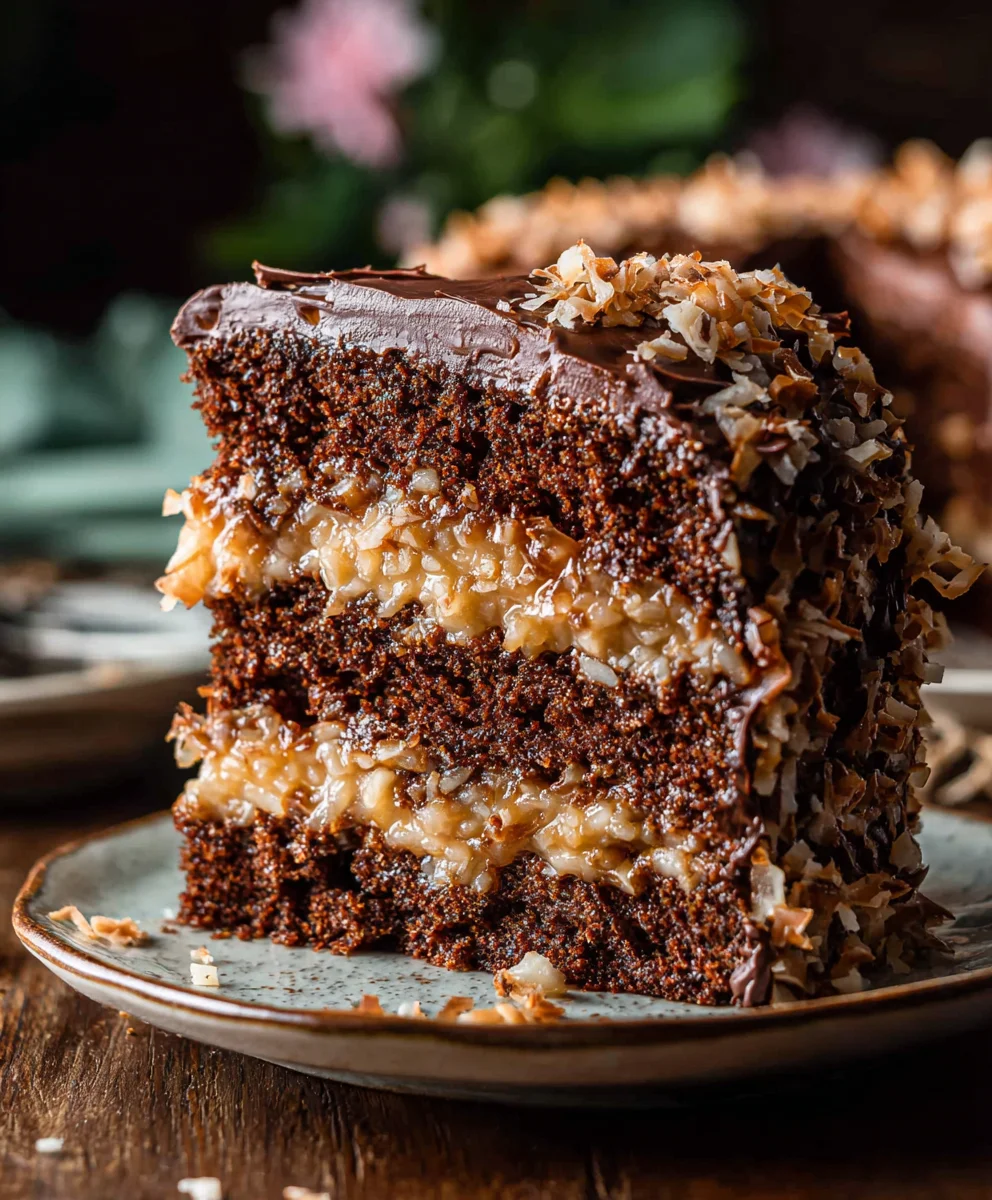
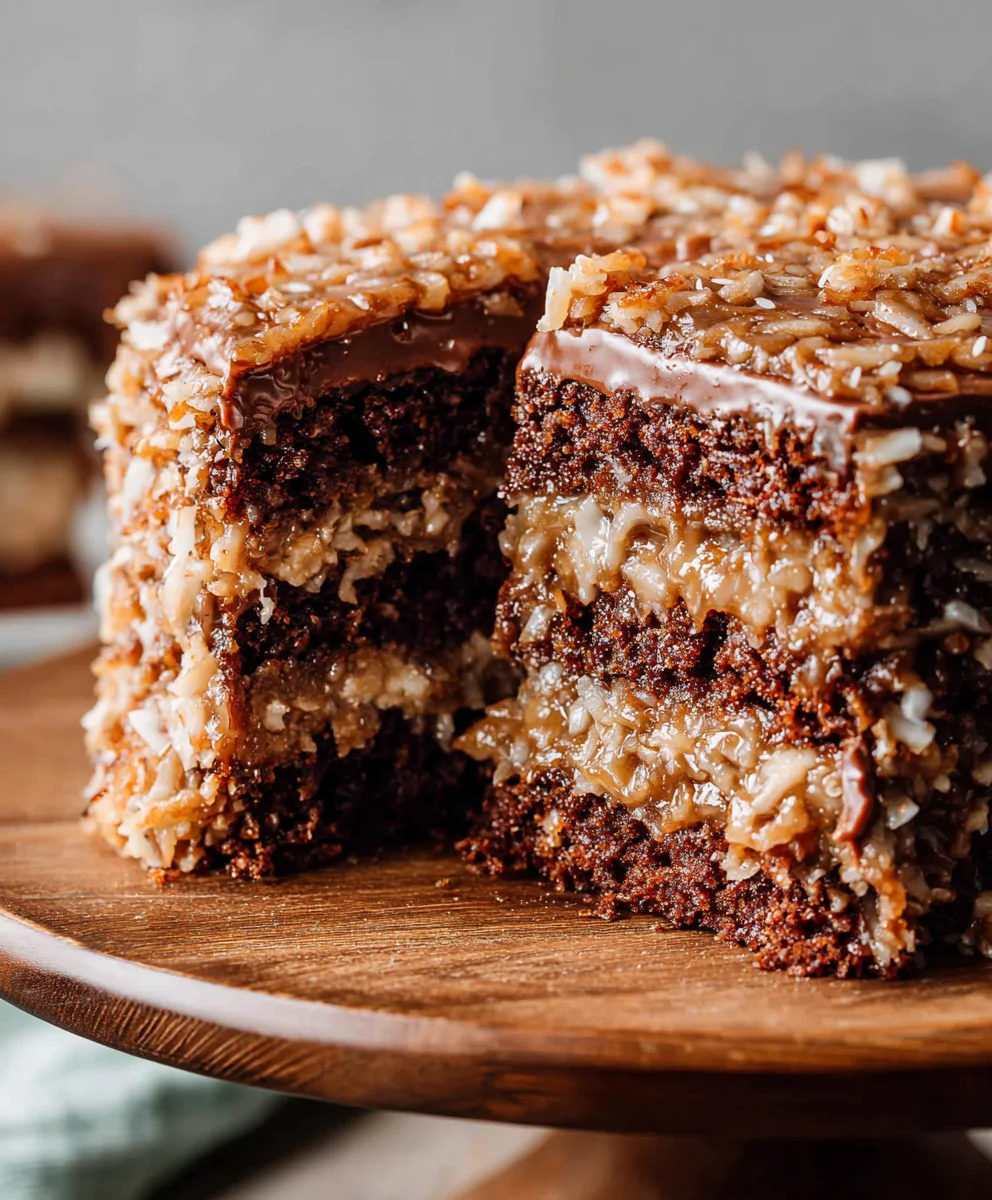
Traditional German Chocolate Cake is more than just a dessert; it’s a nostalgic journey for many, evoking memories of childhood birthdays and special family gatherings. What makes this layered masterpiece so beloved? It’s that irresistible combination of rich, dark chocolate cake layers perfectly complemented by a gooey, pecan-coconut frosting. This isn’t your average chocolate cake; the unique frosting is the undisputed star, a creamy, sweet cloud that melts in your mouth and offers a delightful contrast to the moist, slightly dense cake. We’re diving deep into what makes a truly authentic Traditional German Chocolate Cake, ensuring your baking adventure results in a show-stopping dessert that’s as comforting as it is delicious. Get ready to create a cake that will have everyone asking for seconds and, of course, the recipe!
Ingredients:
- 4 oz semi-sweet chocolate, finely chopped
- 1/4 cup Dutch-process cocoa powder
- 1/2 cup boiling water
- 2 cups all-purpose flour
- 3/4 teaspoon baking soda
- 12 tablespoons unsalted butter, softened
- 1 cup granulated sugar
- 3/4 cup light brown sugar, packed
- 3/4 teaspoon salt
- 4 large eggs
- 1 teaspoon vanilla extract
- 3/4 cup sour cream
- 2 cups heavy cream
- 2 cups granulated sugar
- 6 large egg yolks
Chocolate Cake Layers
This recipe focuses on crafting the most moist and intensely chocolatey cake layers, the foundation of any exceptional Traditional German Chocolate Cake. We’ll be blooming the cocoa powder to deepen its flavor and ensure a rich, dark crum extractb.
Step 1: Prepare the Cocoa Mixture
Begin extract by preparing the cocoa mixture, which is crucial for unlocking the full flavor potential of the Dutch-process cocoa powder. In a medium heatproof bowl, combine the 1/4 cup Dutch-process cocoa powder with 1/2 cup boiling water. Stir vigorously until the cocoa powder is completely dissolved and you have a smooth, lump-free paste. This process is called “blooming” and it helps to intensify the chocolate flavor by releasing the cocoa’s soluble compounds. Set this mixture aside to cool slightly while you prepare the dry ingredients.
Step 2: Combine Dry Ingredients
In a separate large bowl, whisk together the 2 cups of all-purpose flour, 3/4 teaspoon baking soda, and 3/4 teaspoon salt. Whisking these ingredients together ensures they are evenly distributed, which is key for consistent leavening and seasoning throughout the cake. Make sure there are no clumps of baking soda or salt.
Step 3: Cream Butter and Sugars
In the bowl of a stand mixer fitted with the paddle attachment (or using a hand mixer and a large bowl), cream together the 12 tablespoons of softened unsalted butter with 1 cup of granulated sugar and 3/4 cup of light brown sugar. Beat on medium-high speed for about 3 to 5 minutes, or until the mixture is light, fluffy, and pnon-alcoholic ale in color. This creaming process incorporates air into the batter, which contributes to a tender cake texture. Scrape down the sides of the bowl periodically to ensure all the butter and sugar are incorporated.
Step 4: Incorporate Eggs and Vanilla
With the mixer on medium speed, add the 4 large eggs, one at a time, beating well after each addition until fully incorporated. It’s important to add them gradually to prevent the batter from separating. Next, add the 1 teaspoon of vanilla extract and mix until just combined.
Step 5: Alternate Dry and Wet Ingredients
Now, we will alternate adding the dry ingredients and the wet ingredients to the creamed butter and sugar mixture. With the mixer on low speed, gradually add about one-third of the dry ingredients (from Step 2) to the butter mixture and mix until just combined. Then, add half of the sour cream and mix until incorporated. Next, add another third of the dry ingredients, followed by the remaining sour cream, and finally the last third of the dry ingredients. In between adding the dry ingredients, you’ll also incorporate the cooled cocoa mixture from Step 1. Ensure you don’t overmix at this stage; overmixing can develop the gluten in the flour, resulting in a tougher cake. Mix only until the streaks of flour disappear.
German Chocolate Frosting
This rich, decadent frosting is what truly defines a Traditional German Chocolate Cake. It’s a coconut-pecan frosting that’s cooked on the stovetop and has a wonderfully custardy consistency.
Step 6: Prepare the Frosting Base
In a medium saucepan, combine the 2 cups of heavy cream (or evaporated milk, as specified in some traditional recipes for a slightly different texture and sweetness), 2 cups of granulated sugar, and 6 large egg yolks. Whisk these ingredients together thoroughly until they are well combined and the mixture is smooth. It’s important to whisk the yolks in well to prevent them from scrambling when heated.
Step 7: Cook the Frosting
Place the saucepan over medium-low heat. Cook the mixture, stirring constantly with a wooden spoon or heatproof spatula, until it thickens enough to coat the back of the spoon. This usually takes about 10-15 minutes. Do NOT let it boil, as this can cause the egg yolks to curdle. You’re looking for a consistency similar to a thick custard. Once thickened, remove the pan from the heat immediately.
Step 8: Add Flavorings and Texture to the Frosting
Stir in the 4 oz of finely chopped semi-sweet chocolate into the hot frosting mixture. Continue to stir until the chocolate is completely melted and the frosting is smooth and glossy. The residual heat from the frosting will melt the chocolate beautifully. Finally, stir in 1 cup of chopped pecans and 1 cup of shredded coconut (sweetened or unsweetened, to your preference). Stir until everything is evenly distributed throughout the frosting. Allow the frosting to cool to room temperature, during which it will thicken further. You can place a piece of plastic wrap directly on the surface of the frosting to prevent a skin from forming as it cools.
Conclusion:
We’ve journeyed through the delightful process of creating the classic Traditional German Chocolate Cake, and I hope you’re feeling inspired to bake this iconic treat! This rich, moist cake, crowned with its signature pecan and coconut frosting, is a true celebration in every slice. Remember, the key to its success lies in fresh ingredients and a little patience. Don’t be afraid to get your hands a little messy – that’s part of the fun!
This Traditional German Chocolate Cake is wonderfully versatile. It’s perfect as a stand-alone dessert for birthdays, holidays, or any occasion that calls for something special. For an elevated presentation, consider serving it with a scoop of vanilla bean ice cream or a dollop of fresh whipped cream. If you’re feeling adventurous, you can experiment with adding a hint of espresso powder to the cake batter for a deeper flavor profile, or even swirl some caramel into the frosting. No matter how you choose to enjoy it, I encourage you to share this delicious cake with loved ones. Baking is an act of love, and this cake is a perfect way to show it.
Frequently Asked Questions:
What makes this cake “German” if it doesn’t have German chocolate?
The name “German Chocolate Cake” actually refers to the inventor of the sweet baking chocolate used in the origin extractal recipe, Samuel German, an American baker. He developed a sweeter type of dark chocolate in 1851, and the cake was later named in his honor.
Can I make the frosting ahead of time?
Yes, the pecan and coconut frosting can be made up to two days in advance. Store it in an airtight container in the refrigerator. You may need to let it sit at room temperature for a short while and gently stir it to reach the desired spreading consistency before frosting the cake.
Classic German Chocolate Cake – Rich Decadent Treat
A classic German Chocolate Cake recipe featuring moist, intensely chocolatey cake layers and a rich, decadent coconut-pecan frosting.
Ingredients
-
4 oz semi-sweet chocolate, finely chopped
-
1/4 cup Dutch-process cocoa powder
-
1/2 cup boiling water
-
2 cups all-purpose flour
-
3/4 teaspoon baking soda
-
12 tablespoons unsalted butter, softened
-
1 cup granulated sugar
-
3/4 cup light brown sugar, packed
-
3/4 teaspoon salt
-
4 large eggs
-
1 teaspoon vanilla extract
-
3/4 cup sour cream
-
2 cups heavy cream
-
2 cups granulated sugar
-
6 large egg yolks
-
1 cup chopped pecans
-
1 cup shredded coconut
Instructions
-
Step 1
Prepare the cocoa mixture: In a medium heatproof bowl, combine the 1/4 cup Dutch-process cocoa powder with 1/2 cup boiling water. Stir vigorously until the cocoa powder is completely dissolved and you have a smooth, lump-free paste. Set aside to cool slightly. -
Step 2
Combine dry ingredients: In a large bowl, whisk together the 2 cups of all-purpose flour, 3/4 teaspoon baking soda, and 3/4 teaspoon salt. -
Step 3
Cream butter and sugars: In a stand mixer bowl, cream together the 12 tablespoons of softened unsalted butter with 1 cup of granulated sugar and 3/4 cup of light brown sugar until light and fluffy. -
Step 4
Incorporate eggs and vanilla: With the mixer on medium speed, add the 4 large eggs one at a time, beating well after each addition. Stir in the 1 teaspoon of vanilla extract. -
Step 5
Alternate dry and wet ingredients: Gradually add one-third of the dry ingredients to the butter mixture and mix until just combined. Add half of the sour cream and mix. Repeat with another third of the dry ingredients, the remaining sour cream, and finally the last third of the dry ingredients, alternating with the cooled cocoa mixture. Mix until just combined, ensuring not to overmix. -
Step 6
Prepare the frosting base: In a medium saucepan, combine the 2 cups of heavy cream, 2 cups of granulated sugar, and 6 large egg yolks. Whisk thoroughly until smooth. -
Step 7
Cook the frosting: Cook the mixture over medium-low heat, stirring constantly, until it thickens enough to coat the back of a spoon (about 10-15 minutes). Do not boil. Remove from heat. -
Step 8
Add flavorings and texture to the frosting: Stir in the 4 oz of finely chopped semi-sweet chocolate until melted and smooth. Stir in 1 cup of chopped pecans and 1 cup of shredded coconut. Let cool to room temperature.
Important Information
Nutrition Facts (Per Serving)
It is important to consider this information as approximate and not to use it as definitive health advice.
Allergy Information
Please check ingredients for potential allergens and consult a health professional if in doubt.