Blueberry Lemon Sourdough Bread Recipe
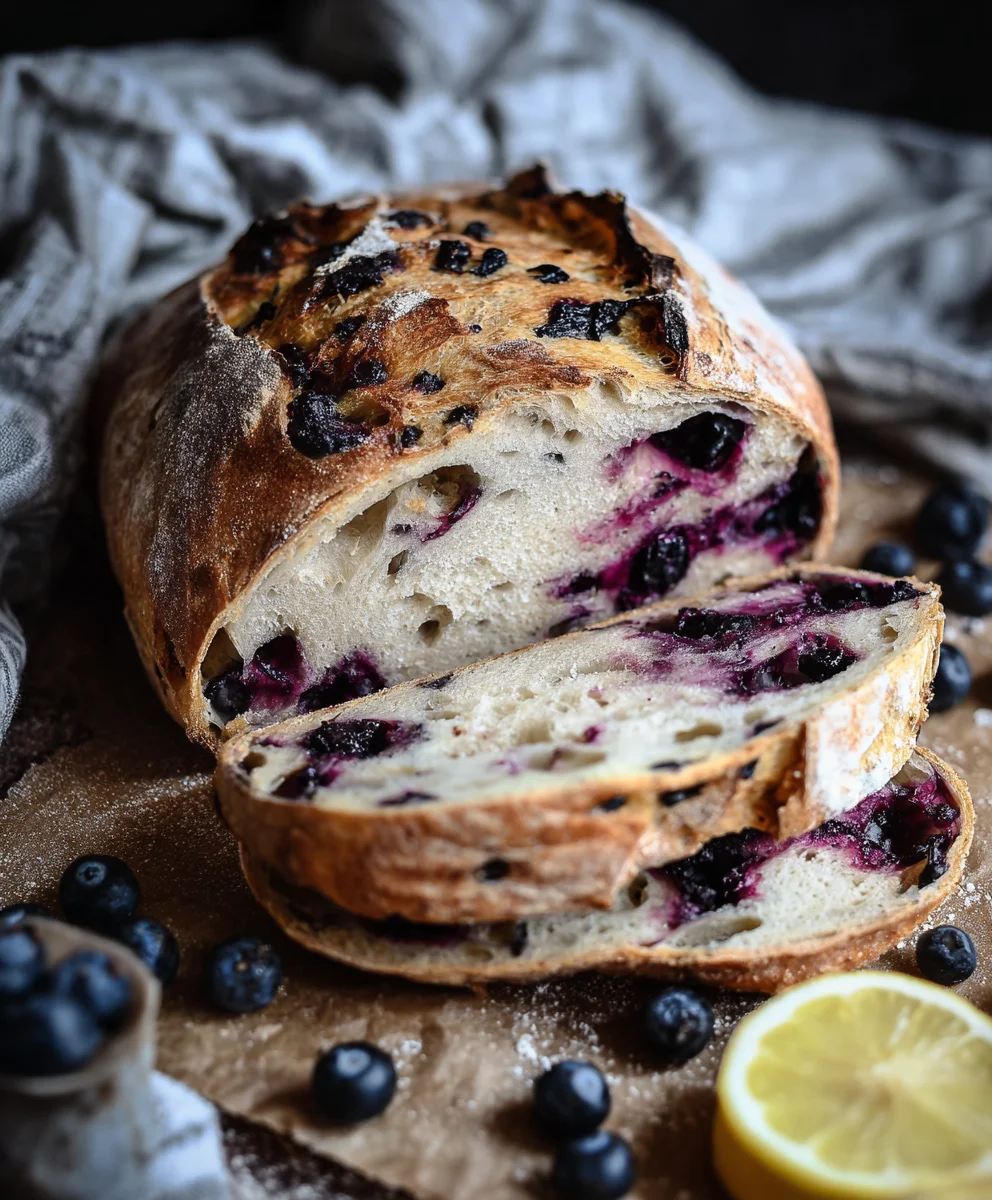
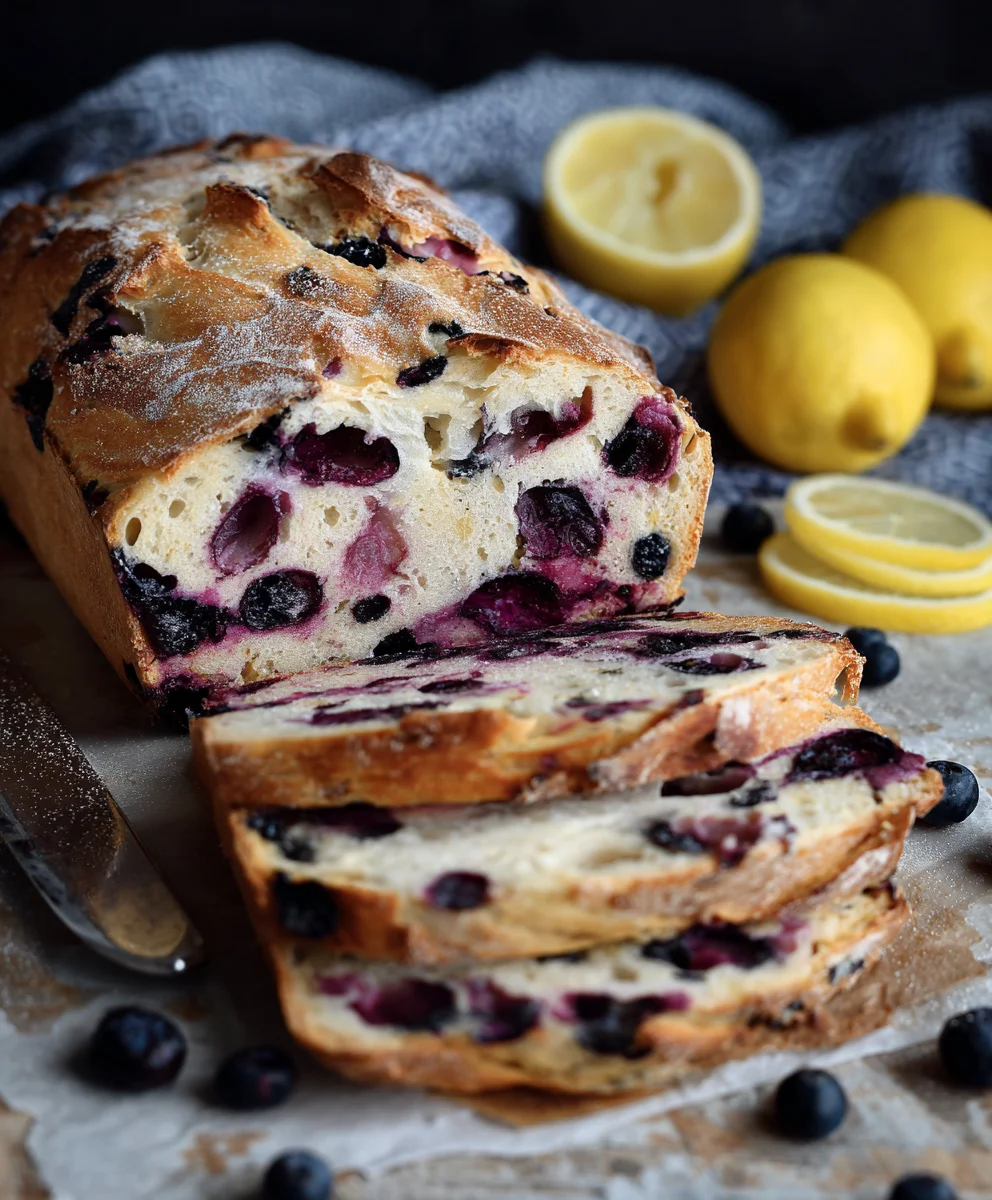
Blueberry Lemon Sourdough Bread isn’t just a breakfast item; it’s a little slice of sunshine, a perfect harmony of tangy, sweet, and subtly complex flavors that can brighten any morning. Imagin extracte the vibrant pop of juicy blueberries nestled within the airy, slightly chewy crum extractb of a beautifully risen sourdough, all kissed with the bright zest of fresh lemon. This isn’t your average loaf. What makes this particular Blueberry Lemon Sourdough Bread so utterly irresistible is the unique character imparted by the sourdough starter – that gentle tang provides a delightful counterpoint to the sweetness of the berries and the citrusy zing. It’s a sophisticated yet wonderfully approachable bake, perfect for impressing guests or simply treating yourself to something truly special. Get ready to experience the magic of fermentation meeting fruit and fragrance in every delightful bite.
Ingredients:
- 3 cups bread flour
- 1⅓ cups lukewarm water
- ¾ cup active, bubbly, and well-fed sourdough starter
- 3 tablespoons white sugar
- 1 teaspoon salt
- 1¼ cup fresh blueberries
- 1 tablespoon lemon zest
The Sourdough Foundation
Mixing the Dough
- In a large mixing bowl, combine the 3 cups of bread flour with the 1 teaspoon of salt. Whisk them together briefly to ensure the salt is evenly distributed throughout the flour. This is a crucial first step as it prepares the dry base for our flavorful loaf. Next, pour in the 1⅓ cups of lukewarm water. The water should feel comfortably warm to the touch, not hot, as excessive heat can kill the active yeast in your sourdough starter. Add the ¾ cup of active, bubbly sourdough starter to the water. It’s important that your starter is lively and recently fed so it has the best chance of leavening the bread effectively. Stir everything together with a wooden spoon or your hands until a shaggy dough forms. Don’t worry about it being perfectly smooth at this stage; we’re just aiming to hydrate the flour and get the ingredients acquainted. Let this mixture rest, covered with a damp kitchen towel or plastic wrap, for about 30 minutes. This resting period, often called autolyse, allows the flour to fully absorb the water, initiating gluten development and making the dough more pliable for the subsequent steps.
- After the initial rest, gently incorporate the 3 tablespoons of white sugar into the dough. The sugar acts as food for the yeast, helping to boost fermentation and contributing to a slightly sweet undertone and a beautiful golden crust. Now, it’s time to really develop the gluten. You can do this through a series of “stretch and folds.” With lightly dampened hands, grab a portion of the dough from one side of the bowl, stretch it upwards gently, and fold it over to the opposite side. Rotate the bowl a quarter turn and repeat this stretching and folding motion. Aim to perform about 4-6 stretches and folds in this manner. You’ll notice the dough becoming smoother and more elastic with each set. Cover the bowl again and let it rest for another 30 minutes before performing another set of stretch and folds. Repeat this process a total of 3-4 times, with 30-minute rests in between. This gentle, repeated manipulation builds strength and structure in the dough, which is essential for a good rise and a light, airy crum extractb, especially with the added moisture from the blueberries.
- Once your dough has undergone its stretch and fold cycles and feels smooth, elastic, and slightly bubbly, it’s time to introduce the star flavorings. Sprinkle the 1 tablespoon of lemon zest evenly over the surface of the dough. The bright, zesty aroma will start to infuse the dough immediately. Gently work the zest into the dough using the same stretch and fold technique, ensuring it’s distributed as evenly as possible. Next, add the 1¼ cup of fresh blueberries. Be careful not to crush them too much as you incorporate them. You can fold them in gently, trying to get them dispersed throughout the dough without breaking their skins. This will prevent excessive bleeding of color into the dough too early and will keep the blueberries plump during baking. After adding the blueberries and lemon zest, perform one final gentle set of stretch and folds to distribute these additions and to ensure the dough is cohesive.
The Fermentation and Shaping Phase
Bulk Fermentation and Shaping
- Now, we move into bulk fermentation. Place the dough, now studded with blueberries and infused with lemon zest, back into a lightly oiled bowl. Cover it securely and let it rest at room temperature for approximately 4-6 hours. During this time, the sourdough starter will continue its work, producing gas that causes the dough to rise and develop complex flavors. You’re looking for the dough to increase in volume by about 50-75% and to appear visibly gassy and aerated. The exact timing will depend on the ambient temperature of your kitchen and the activity of your starter. Don’t be afraid to use your senses: the dough should look and feel alive. Once bulk fermentation is complete, gently turn the dough out onto a lightly floured surface. Be careful not to deflate it too much. Shape the dough into your desired loaf form – either a round boule or an oblong batard. To shape a boule, gently coax the edges of the dough towards the center, creating tension on the surface, and then cup your hands around it, rotating it to form a smooth, taut ball. For a batard, gently pat the dough into a rough rectangle and then roll it up tightly from one of the longer sides, pinching the seams closed.
- After shaping, place the dough into a proofing basket (banneton) that has been well-floured with rice flour or bread flour to prevent sticking. If you don’t have a banneton, a bowl lined with a clean, floured tea towel will work. Cover the basket with plastic wrap or place it inside a loosely tied plastic bag to prevent the surface from drying out. Now, the dough needs to chill and develop further flavor. Place the covered proofing basket in the refrigerator for a long, cold proof of 12-24 hours. This slow, cold fermentation is key to developing a wonderfully complex flavor profile and achieving a beautiful, crispy crust. The cold temperature also firms up the dough, making it easier to handle and score before baking.
Baking to Perfection
Scoring and Baking
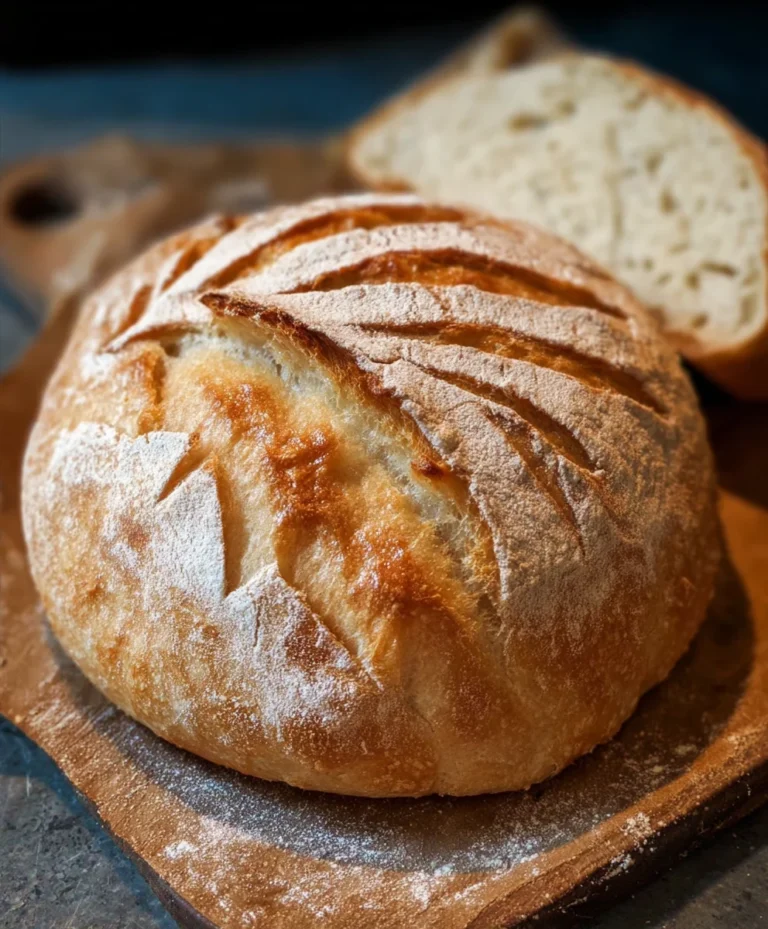
- When you’re ready to bake, preheat your oven to 475°F (245°C) with your Dutch oven (or baking vessel of choice) inside for at least 30 minutes. A well-preheated Dutch oven is crucial for achieving that signature oven spring and a fantastic crust. Carefully remove the hot Dutch oven from the oven and gently turn your proofed dough out onto a piece of parchment paper. If you’re feeling artistic, this is the time to score the top of your loaf. Use a lame or a very sharp knife to make shallow cuts on the surface. A simple cross, a few parallel lines, or a more elaborate design can help control the expansion of the dough as it bakes and adds a beautiful aesthetic.
- Using the parchment paper as a sling, carefully lower the dough into the preheated Dutch oven. Cover the Dutch oven with its lid and carefully place it back into the hot oven. Bake for 20 minutes with the lid on. The lid traps steam, which is essential for the initial rise and development of a thin, crispy crust. After 20 minutes, carefully remove the lid from the Dutch oven. You’ll see the bread has puffed up significantly and is begin extractning to turn golden. Reduce the oven temperature to 450°F (230°C) and continue to bake for another 20-25 minutes, or until the crust is a deep golden brown and the internal temperature of the bread registers around 205-210°F (96-99°C) when checked with an instant-read thermometer. This second stage of baking with the lid off allows the crust to fully form and crisp up.
Conclusion:
There you have it! Your guide to creating a delicious and beautifully tangy Blueberry Lemon Sourdough Bread. We’ve walked through the process step-by-step, from feeding your starter to achieving that perfect crust. The delightful combination of tart blueberries and bright lemon zest, complemented by the complex flavor of sourdough, makes this loaf a true showstopper. I encourage you to give it a try – the aroma alone will fill your kitchen with warmth and anticnon-alcoholic ipation!
This Blueberry Lemon Sourdough Bread is wonderfully versatile. Serve it warm, lightly buttered, for breakfast or brunch. It also makes a fantastic accompaniment to a light lunch or as a base for a more decadent dessert, perhaps with a dollop of whipped cream or a drizzle of honey. Don’t be afraid to experiment with variations. You could add a pinch of cardamom for an extra layer of spice, or swap some of the blueberries for raspberries for a different berry twist. The beauty of sourdough is its adaptability!
Frequently Asked Questions:
Q: My blueberries sank to the bottom of the loaf. What went wrong?
A: This is a common sourdough issue! To prevent sinking, try coating your blueberries in a tablespoon or two of flour before adding them to the dough during the final folds. This helps them suspend more evenly. Also, ensure your dough has developed enough strength before incorporating the fruit.
Q: Can I use frozen blueberries instead of fresh ones for my Blueberry Lemon Sourdough Bread?
A: Yes, you absolutely can use frozen blueberries. However, it’s crucial to thaw them completely and drain off any excess liquid before adding them to the dough. Excess moisture can make your dough too wet and lead to a gummy texture.
Blueberry Lemon Sourdough Bread Recipe
A delightful and tangy sourdough bread bursting with fresh blueberries and bright lemon zest. Perfect for breakfast or a light snack.
Ingredients
-
3 cups bread flour
-
1⅓ cups lukewarm water
-
¾ cup active, bubbly, and well-fed sourdough starter
-
3 tablespoons white sugar
-
1 teaspoon salt
-
1¼ cup fresh blueberries
-
1 tablespoon lemon zest
Instructions
-
Step 1
In a large mixing bowl, combine the 3 cups of bread flour with the 1 teaspoon of salt. Whisk them together briefly to ensure the salt is evenly distributed. Pour in the 1⅓ cups of lukewarm water and the ¾ cup of active sourdough starter. Stir until a shaggy dough forms. Let rest, covered, for 30 minutes (autolyse). -
Step 2
Gently incorporate the 3 tablespoons of white sugar into the dough. Perform 4-6 stretch and folds with dampened hands, rotating the bowl. Cover and rest for 30 minutes. Repeat stretch and folds 3-4 times with 30-minute rests in between. -
Step 3
Once the dough is smooth and elastic, sprinkle the 1 tablespoon of lemon zest evenly over the surface. Gently work it in using stretch and folds. Add the 1¼ cup of fresh blueberries and gently fold them in without crushing. Perform one final gentle set of stretch and folds. -
Step 4
Place the dough in a lightly oiled bowl, cover, and let it undergo bulk fermentation at room temperature for 4-6 hours, or until it has increased in volume by 50-75% and appears gassy. Gently turn the dough onto a lightly floured surface and shape into a boule or batard. -
Step 5
Place the shaped dough into a well-floured proofing basket (banneton). Cover with plastic wrap or place in a plastic bag to prevent drying. Refrigerate for a cold proof of 12-24 hours. -
Step 6
Preheat oven to 475°F (245°C) with a Dutch oven inside for at least 30 minutes. Carefully turn the proofed dough onto parchment paper. Score the top of the loaf. -
Step 7
Lower the dough into the hot Dutch oven using the parchment paper. Cover and bake for 20 minutes. Remove the lid, reduce oven temperature to 450°F (230°C), and bake for another 20-25 minutes until deep golden brown and an internal temperature of 205-210°F (96-99°C) is reached.
Important Information
Nutrition Facts (Per Serving)
It is important to consider this information as approximate and not to use it as definitive health advice.
Allergy Information
Please check ingredients for potential allergens and consult a health professional if in doubt.